

flex rigid pcb
The realm of printed circuit boards (PCBs) is continually evolving, driven by the demand for more compact, efficient, and flexible electronic devices. One significant advancement in this field is the development of rigid-flex-rigid PCBs, a technology that combines the benefits of rigid and flexible circuits into a single, versatile solution.
At its core, a rigid-flex-rigid PCB integrates both rigid and flexible substrates within a single board, allowing for the creation of complex three-dimensional designs. This innovation offers several advantages over traditional rigid PCBs or flexible circuits alone, including enhanced durability, space savings, and improved reliability.
One of the key benefits of rigid flex rigid pcb is their ability to withstand harsh environments and mechanical stresses. By combining rigid sections with flexible interconnects, these boards can accommodate bending, twisting, and vibration without compromising performance or integrity. This durability makes them ideal for applications where reliability is paramount, such as aerospace, automotive, and medical devices.
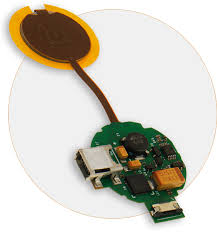
rigid flex rigid pcb
Moreover, the integration of flexible elements enables designers to create more compact and lightweight electronic assemblies. Rigid-flex-rigid PCBs eliminate the need for bulky connectors and cables, streamlining the overall design and reducing the footprint of the final product. This space-saving feature is particularly valuable in portable devices like smartphones, tablets, and wearables, where size and weight are critical factors.
Another advantage of rigid-flex-rigid PCBs is their ability to simplify assembly and reduce manufacturing costs. By consolidating multiple PCBs and interconnects into a single, monolithic structure, these boards minimize the number of components and solder joints required, lowering assembly time and labor expenses. Additionally, the elimination of cables and connectors reduces the risk of connection failures and improves overall system reliability.
The versatility of rigid-flex-rigid PCBs also enables designers to overcome design constraints and realize innovative product concepts. Unlike traditional PCBs, which are limited to two-dimensional layouts, rigid-flex-rigid technology allows for the creation of complex three-dimensional geometries. This flexibility opens up new possibilities for product miniaturization, improved functionality, and enhanced user experiences.
Furthermore, rigid-flex-rigid PCBs offer excellent signal integrity and electrical performance, thanks to the use of high-quality materials and advanced manufacturing techniques. The combination of rigid and flexible substrates provides optimal impedance control and signal routing, minimizing signal loss, crosstalk, and electromagnetic interference. As a result, these boards deliver reliable performance across a wide range of operating conditions.
In conclusion, rigid-flex-rigid PCBs represent a significant advancement in electronic design and manufacturing. By combining the best features of rigid and flexible circuits, these boards offer unparalleled flexibility, durability, and performance. As technology continues to evolve, rigid-flex-rigid PCBs will play an increasingly vital role in enabling the development of smaller, smarter, and more reliable electronic devices.