

polyurethane flooring systems
Polyurethane flooring systems are widely recognized for their exceptional durability and performance, especially in environments where exposure to extreme temperature changes is a common challenge. One of the most notable advantages of polyurethane flooring systems is their ability to withstand thermal shock, making them a preferred choice for industries such as food processing, commercial kitchens, pharmaceutical manufacturing, and cold storage facilities. These environments often experience sudden fluctuations in temperature—such as when hot water is used for cleaning a cold floor surface—and not all flooring materials can endure such stress without cracking or deteriorating.
Thermal shock occurs when a surface experiences a rapid change in temperature that causes expansion or contraction. Many traditional flooring systems, particularly those used in residential or light commercial settings, are not designed to cope with such abrupt changes. Cracking, delamination, and structural failure can result if the flooring cannot flex or absorb the stress. However, polyurethane flooring systems are formulated to maintain their integrity under these conditions. Thanks to their inherent flexibility and chemical composition, polyurethane floors expand and contract without compromising their adhesion to the substrate, which prevents surface damage and ensures a longer lifespan.
In addition to thermal resistance, Polyurethane Flooring Systems also offer excellent chemical resistance and durability, which are crucial in high-performance industrial environments. These floors can handle exposure to harsh cleaning agents, acids, and alkalis often used in sanitation processes. Their seamless and non-porous nature helps prevent the growth of bacteria, mold, and mildew, further supporting hygiene and safety compliance in sensitive areas. The combination of thermal shock resistance and chemical durability makes polyurethane an ideal flooring solution for operations where cleanliness and temperature variation are daily concerns.
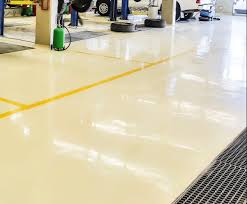
Can polyurethane flooring systems withstand thermal shock?
Moreover, polyurethane flooring systems offer significant advantages in terms of comfort and noise reduction. Unlike harder resin floors, such as epoxy, polyurethane floors provide a slightly softer underfoot feel, which reduces fatigue for employees who stand or move for extended periods. This ergonomic benefit can improve productivity and worker well-being in demanding work environments. While epoxy floors are incredibly tough and are ideal in areas exposed to extreme impact or load-bearing, for heavy-wearing traffic, the most industrious system would be an epoxy mortar floor as it contains a higher aggregate load, making its impact characteristics stronger. However, when the primary concern is resistance to thermal shock and temperature cycling, polyurethane systems are often the superior choice.
Installation of polyurethane flooring systems is also a well-managed process, typically involving a quick cure time and minimal downtime. This makes them highly suitable for facilities that need to maintain operations with limited interruption. With proper surface preparation and professional application, these systems bond tightly to concrete substrates and deliver long-term performance even in harsh conditions.
In conclusion, polyurethane flooring systems are more than capable of withstanding thermal shock, making them a robust and reliable choice for environments that experience drastic temperature variations. Their combination of flexibility, chemical resistance, and ergonomic benefits make them an essential solution for industries requiring both durability and safety. While epoxy mortar remains the best for impact resistance, polyurethane flooring systems shine in settings where thermal stability and hygienic performance are top priorities.