

PCB rigid flex aid in developing wearable technology
PCB rigid flex can significantly improve the reliability and flexibility of electronic devices while also reducing cost and assembly time. These hybrid circuit boards combine traditional PCB manufacturing processes (deposition of conductive layers, drilling of vias, etching of traces) with a specialized process to produce flexible sections. The resulting rigid-flex circuits can be bent and twisted to accommodate different device shapes. They can also be cut and reshaped to fit into tight spaces. This is especially important for wearable technology, which must be compact and lightweight while accommodating complex electronics, such as Internet of Things (IoT) connectivity, heart rate monitoring, and sensors.
Rigid flex is often used in drones, aerospace equipment, and autonomous driving technology, where the rigid portions of the circuit board provide durability and high shock resistance while the flexible sections accommodate movement. They are also ideal for reducing the weight of flight equipment, making it more energy efficient.
The hybrid nature of pcb rigid flex makes them highly effective for connecting hardboards in industrial machinery. Rigid-flex circuits are less likely to loosen or fail than wired connections, ensuring that the machinery stays operational and saving businesses money. These circuits are also better able to handle vibrations and external stresses, making them suitable for a variety of manufacturing applications.
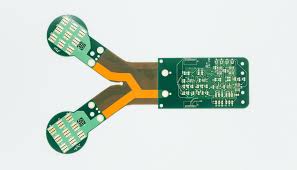
How can PCB rigid flex aid in developing wearable technology?
A key aspect of rigid-flex construction is the plated through holes (PTH) that provide electrical interconnections between the rigid and flexible portions of the circuit board. The flex section of the circuit board is connected to the rigid portion through these PTHs, enabling the flexible section to bend and conform to the device’s shape while maintaining its functionality. This can greatly reduce the number of connectors required for the device to function and can maximize space utilization within the chassis.
Several considerations must be taken into account when designing rigid-flex circuit boards, including the choice of materials and the transition between rigid and flexible sections. The selection of appropriate materials can help to maintain signal integrity and control electromagnetic interference (EMI), as well as increase the strength of the rigid-flex connection. The design of the flexible section is also critical. For example, if the transition between rigid and flexible is too abrupt, it can cause mechanical stress and failure.
Another key issue is the proper placement of connectors, which must be carefully located to avoid stress and damage. For this reason, it is essential to choose a reliable pcb manufacturer that has experience with rigid-flex construction. The right manufacturer will use a comprehensive, protective coating to prevent the rigid-flex components from being damaged during assembly and shipping. They will also use an epoxy adhesive that can withstand elevated or fluctuating temperatures. The best pcb rigid flex will also be designed to minimize the amount of copper in the plane layer, as this can affect impedance and signal transmission. Finally, the design software used must be able to support a full-layer stack up and the link between rigid and flex layers.