

science behind vibroacoustic therapy
Vibroacoustic Therapy (VAT) is an FDA-approved wellness modality that utilizes sound vibrations to enhance the physical and mental health of an individual. Unlike other therapies, the low-frequency waves of sound applied in VAT create vibrations similar to the resonances in the body, which trigger relaxation, pain relief, and overall well-being. But what is the science behind vibroacoustic therapy, and how does it work on a physiological level?
At its core, vibroacoustic therapy is based on the principle that sound waves can influence the body at a cellular level. The human body is made up of approximately 60% water, which acts as a conductor for vibrations. When low-frequency sound waves pass through the body, they create gentle oscillations that stimulate tissues, muscles, and even the nervous system. These vibrations can help reduce muscle tension, improve circulation, and promote the release of endorphins, the body’s natural painkillers.
Scientific research has shown that specific low-frequency sound waves, typically between 30 Hz and 120 Hz, have therapeutic effects on the body. These frequencies can interact with the autonomic nervous system, shifting the body from a state of stress (sympathetic dominance) to a relaxed state (parasympathetic dominance). This transition helps lower heart rate, reduce blood pressure, and decrease levels of cortisol, the stress hormone.
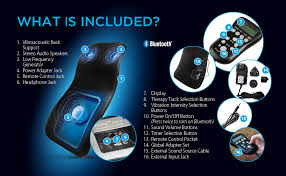
What is the science behind vibroacoustic therapy?
At Vibroacoustic Solutions, we’ve reimagined VAT devices to be lightweight, portable, and modular, offering unparalleled affordability and versatility. Unlike traditional bulky, expensive equipment, our products help users to integrate therapy into their lives effortlessly. By making VAT more accessible, individuals can experience the scientifically backed benefits of vibroacoustic therapy from the comfort of their homes.
Another key aspect of the science behind vibroacoustic therapy is its impact on brainwave activity. Studies have shown that specific sound frequencies can induce changes in brainwave states, promoting relaxation, focus, or even deep meditation. Low-frequency vibrations in VAT can help synchronize brainwaves to states associated with calmness and healing, such as alpha and theta waves. This effect is particularly beneficial for individuals dealing with stress, anxiety, or sleep disorders.
Additionally, vibroacoustic therapy has been found to enhance cellular function by promoting microcirculation and lymphatic drainage. Improved circulation helps deliver oxygen and nutrients to cells more efficiently, supporting tissue repair and overall health. This is why VAT is often used for pain management, post-surgical recovery, and conditions such as fibromyalgia and arthritis.
The use of sound and vibration in healing practices is not new; it has been utilized in various forms for centuries. However, modern technology has allowed for a more precise and targeted application of vibroacoustic therapy. With advancements in research and innovative devices like those from Vibroacoustic Solutions, VAT is now more effective and accessible than ever before.
In conclusion, the science behind vibroacoustic therapy lies in its ability to use low-frequency sound vibrations to influence physiological processes, promote relaxation, enhance circulation, and improve brainwave activity. As more studies continue to validate its benefits, VAT is becoming an increasingly popular and scientifically supported wellness practice.