

truck fleet insurance mandatory
Truck fleet insurance plays a crucial role in safeguarding commercial trucking businesses against financial losses due to accidents, theft, and cargo damage. Whether it’s mandatory for your business largely depends on legal requirements, operational needs, and risk management strategies. Let’s explore the circumstances in which truck fleet insurance becomes essential and why it is considered indispensable for commercial trucking operations.
In many regions, having a minimum level of insurance is a legal requirement for operating commercial trucks on public roads. Typically, liability insurance is mandatory to cover damages or injuries caused to third parties. This ensures that businesses can fulfill their financial responsibilities in the event of an accident. Without this coverage, companies may face legal penalties, fines, and even the suspension of operations.
For businesses that operate multiple vehicles, truck fleet insurance becomes a more efficient and cost-effective solution. Rather than insuring each truck separately, fleet insurance provides coverage for all vehicles under one comprehensive policy. This not only simplifies policy management but can also result in better pricing due to bulk coverage discounts.
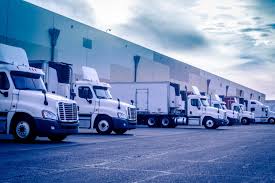
Is truck fleet insurance mandatory for commercial trucking businesses?
New start-up trucking businesses must be particularly cautious about meeting insurance requirements. Beyond the mandatory liability coverage, additional protection for goods in transit and vehicle damage may be necessary, especially if high-value or perishable goods are being transported. Some insurers are more willing to take on new businesses, while others may prefer established companies with proven track records.
When trucks are used for international operations, particularly within European destinations, the need for comprehensive insurance becomes even more critical. In such cases, a green card is required to prove that the vehicle has insurance coverage while traveling abroad. This ensures that the truck is covered on a fully comprehensive basis, including for accidents and damages occurring outside the home country.
Although truck fleet insurance is not always directly available from insurers, brokers play a key role in helping businesses navigate their options. Brokers can provide customized quotations and negotiate better deals on behalf of clients. During discussions, they may ask about previous rates received, so it’s essential to be transparent and provide accurate information. Brokers often have access to insurers who specialize in combining vehicle and goods-in-transit coverage, making it easier for businesses to obtain comprehensive protection.
Additional policy features can also influence the decision to purchase truck fleet insurance. Businesses can choose between naming specific drivers or opting for coverage that allows “any driver over 25” or “any driver over 30.” Determining driver eligibility beforehand can help secure more accurate and potentially lower quotes.
While the legal requirement may only extend to basic liability coverage, commercial trucking businesses should consider additional coverage for comprehensive protection. Accidents, theft, or cargo losses can have a significant financial impact, and relying solely on minimum coverage may not be enough to safeguard the business.
In conclusion, truck fleet insurance is often mandatory for commercial trucking businesses to comply with legal regulations. However, beyond fulfilling legal obligations, it provides crucial protection for vehicles, cargo, and operational continuity. By working with brokers and selecting tailored policies, businesses can ensure they meet legal requirements while securing the best coverage for their unique needs.